
Are we alone in the Universe?
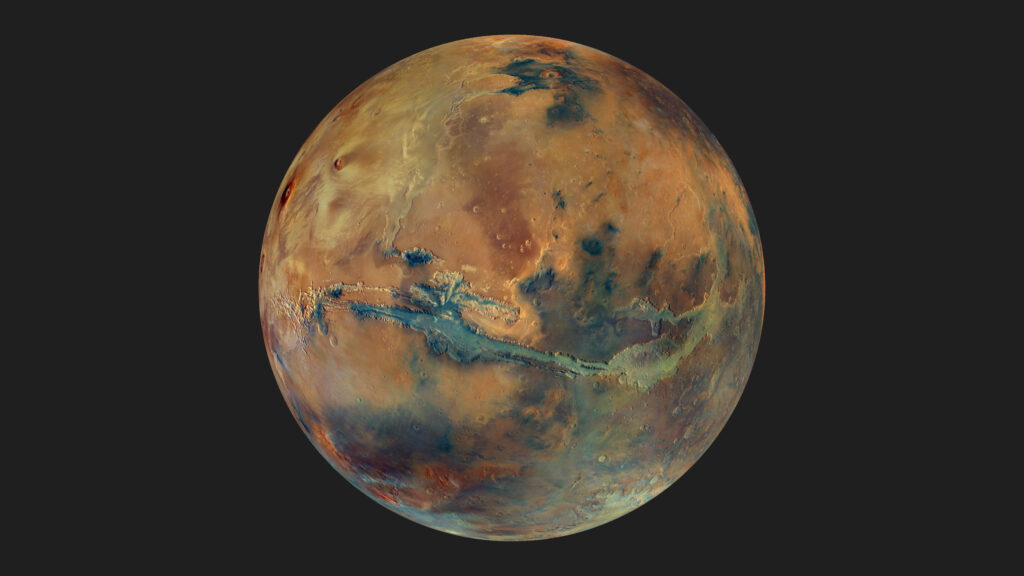
The search for life beyond Earth is one of humanity’s most profound scientific quests. Mars, our closest planetary neighbour, offers unique conditions to explore this question. With evidence of past water and habitable environments, it remains the most promising target in the search for signs of life.
Looking for life beyond Earth with the ExoMars Rosalind Franklin rover
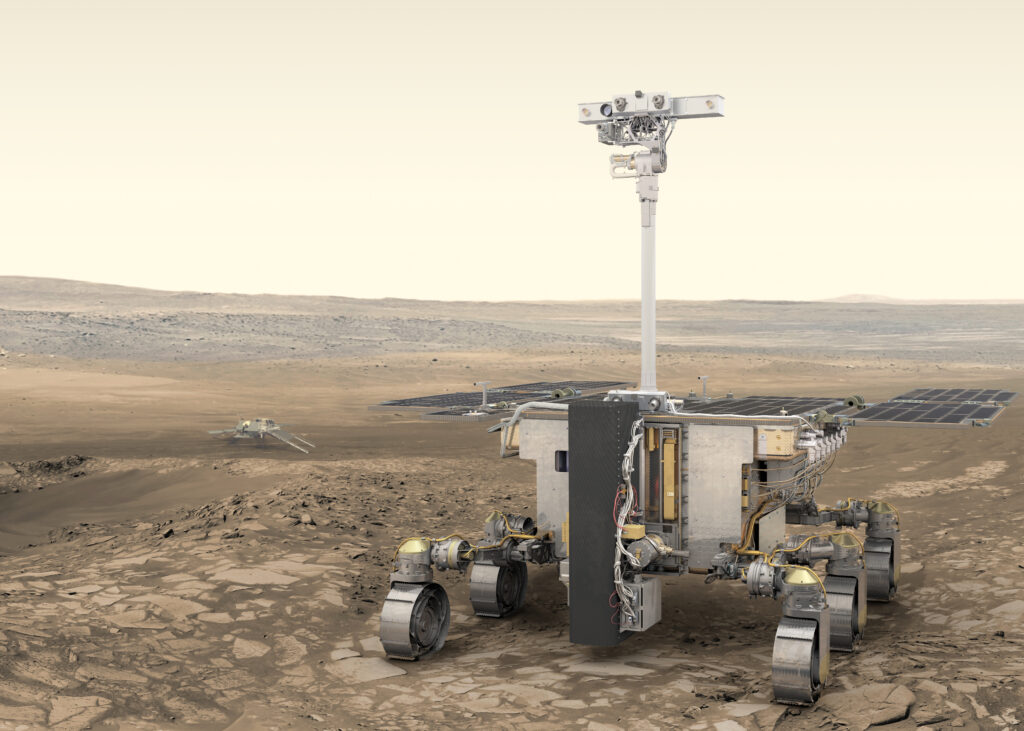
Scheduled for launch in 2028, the ExoMars Rosalind Franklin rover represents one of the most ambitious planetary exploration missions ever undertaken by the European Space Agency. The mission is the result of over two decades of work, combining scientific vision, engineering innovation, and international collaboration. Equipped with a unique drill capable of reaching two metres below the Martian surface, the rover will explore a depth never accessed before, searching for biosignatures protected from radiation.
EXODOCS: shaping Europe’s future leaders in planetary exploration

At the heart of EXODOCS is a commitment to people. By recruiting 15 of the most promising young researchers, the project aims to make the ExoMars mission stronger than ever, ensuring its success and legacy. Through a tailored training programme that combines frontier science, innovative technologies, and transferable skills, these Doctoral Candidates will not only contribute directly to ExoMars but also prepare to lead the next generation of planetary missions
Big questions, bold objectives
EXODOCS aims to answer key scientific questions: How does the Martian atmosphere interact with its surface? What processes shape its geology and subsurface environments? How can we best recognize biosignatures? By combining innovative instrumentation, AI-driven data analysis, and Mars analogue studies, the project will generate knowledge that is vital for both ExoMars and future sample return and astrobiology missions
A European team united for Mars
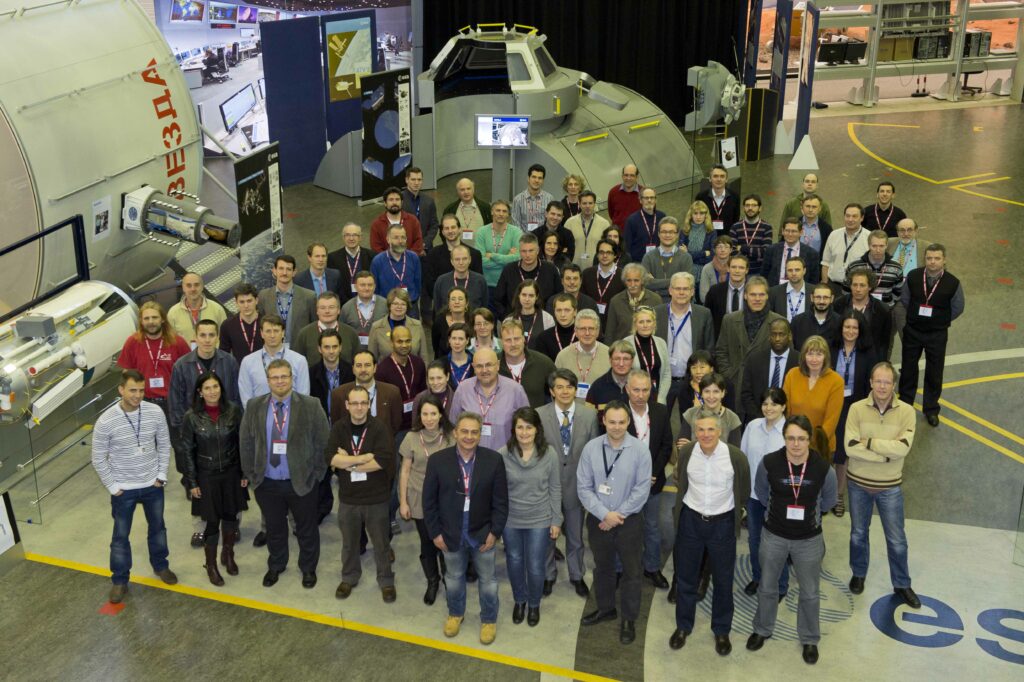
EXODOCS brings together one of the largest networks ever assembled for a doctoral programme in planetary exploration: 10 beneficiaries and 18 associated partners, including leading universities, research institutes, space agencies, and private companies. This unique consortium ensures world-class training, interdisciplinary collaboration, and the integration of cutting-edge science with industrial and societal impact